

MCAS & Me: My Journey With Mast Cell Activation Syndrome (MCAS)
I help many clients with Mast Cell Activation Syndrome (MCAS).
Some have a diagnosis, whereas others just have multiple symptoms in different systems.
Some have been diagnosed with Long Covid, CIRS (Chronic Inflammatory Response Syndrome) or a couple of common ‘itis’s’
The difference in my approach is that I have MCAS myself.
For nearly seven years I was a “medical mystery,” before finally receiving a diagnosis of MCAS.
Which in I often explain to others as “Mostly, Chronic, All-body Symptoms”… because, at times, that didn’t feel far from the truth.
A Complex Clinical Picture
Before receiving this diagnosis, my list of symptoms was growing.
They included:
Hypogonadism
Acid reflux and silent reflux (LPR)
Chronic gastritis
Persistent nausea
Chronic sinusitis and rhinitis
Oesophagitis
Neuralgia
Tendonitis
Osteoarthritis in multiple joints
Dysbiosis and suspected histamine intolerance
Rapid eyesight deterioration
Recurrent blood blisters in my mouth after eating
Generally immune compromised : cold sores, tonsilitis
Following four rounds of Covid, my symptoms escalated further to:
Severe bloating and gas
Perioral dermatitis
Flushing with food and drink
Petechiae and frequent nosebleeds
Development of true food allergies not just intolerances
Blood sugar dysregulation and hypoglycaemia after meals
Nocturnal tachycardia and palpitations
Exercise intolerance
Brain fog and attention difficulties especially after meals
Episodes of “impending doom”
Despite extensive interventions including diets, supplements, medications, eliminations, nothing created lasting change.
Most Conventional Approaches Fell Short
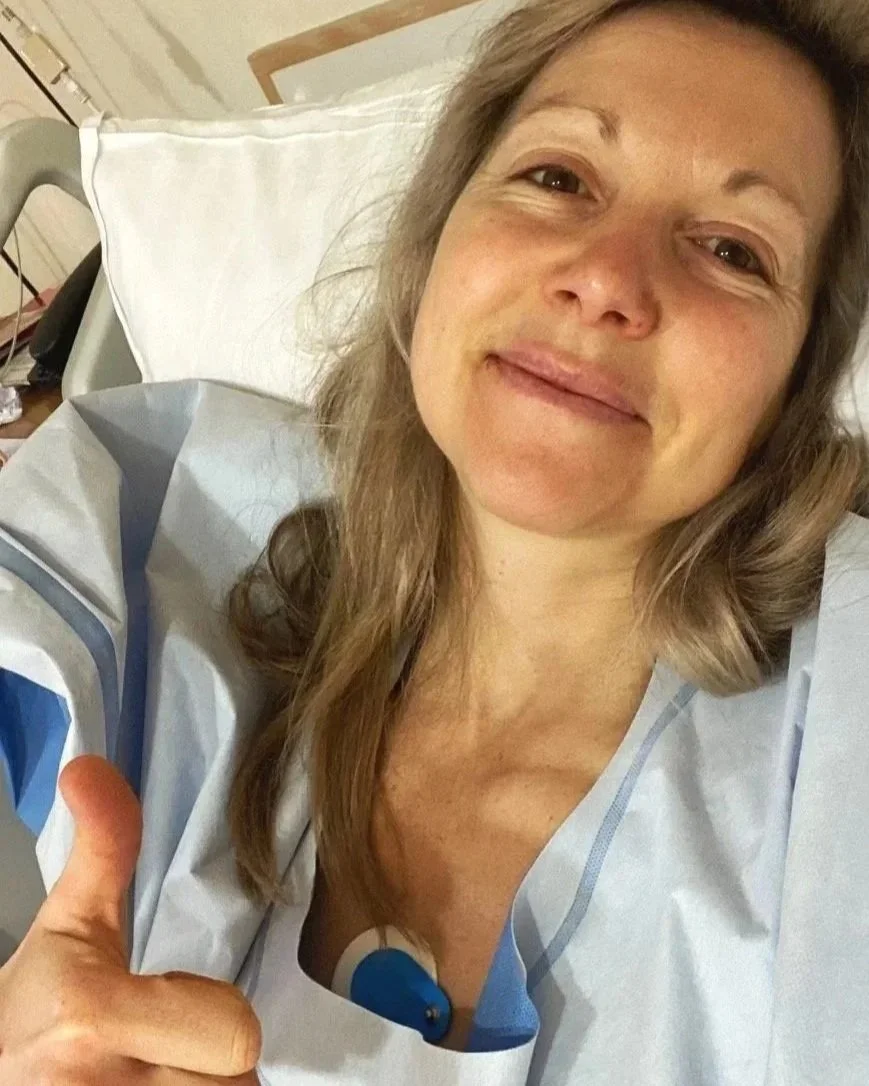
Tests, Investigative Surgery and Consultants
I had multiple blood tests, imaging (Ct scans, MRI and X rays) and investigative surgery.
Most often these showed chronic inflammation everywhere but failed to identify a cause.
I saw …
Gastroenterologists
Ear nose and throat specialists
Endocrinologists
Gynaecologists
Herbalists, Functional Medicine Practitioners and Nutritionists
Osteopaths, Physiotherapists, Acupuncturists and Chiropractors
Psychotherapists, Hypnotherapists and NLP practitioners
Medical Cannabis via the NHS
I even tried psychedelic treatment and Medical Cannabis with medically trained professionals.
Throughout this journey, I repeatedly told medical professionals:
“My body feels different.”
I’d always been vulnerable to IBS (Irritable Bowel Syndrome) from my 20’s and knew too much veg, busy weeks or eating out could lead to symptoms.
I explained that this pain, inflammation, gas and bloating wasn’t the same. It was constant no matter what I did.
I also knew my joints could kick off with too much exercise but now they remained inflammed no matter if I rested or moved.
Too often, these insights were overlooked.
Instead, I was prescribed:
Antidepressants
Antibiotics
Proton pump inhibitors or acid reflex medications
Higher doses of Hormone Replacement Therapy
Meanwhile, my system became increasingly reactive.
Not just to stress, but to life itself.
Foods typically considered “healthy” like vegetables, fibre rich foods, eggs, green tea, dark chocolate - began triggering symptoms.
Even exercise and rest, the cornerstones of wellbeing, became difficult.
My system was too agitated for stillness and my sleep was broken with anxiety, hot sweats, coughing/choking episodes and nausea.
Exercise induced rhinitis, dizziness and chest pain.
At one point, I even burst a blood vessel in my eye during a gentle Qigong session.
This wasn’t simply a collection of isolated issues.
It was systemic.
The Root Cause: Nervous System & Immune Dysregulation
What became clear, long before the diagnosis confirmed it, was that the issue wasn’t just digestive, hormonal, or inflammatory.
It was upstream.
At the core was:
A dysregulated nervous system
An overreactive immune response
MCAS provided the missing framework that tied everything together.
What Actually Worked
Once I shifted focus from chasing symptoms to addressing root drivers, things began to change.
Here’s what made the difference:
1. Targeted medical support
Mast cell stabilising medications were transformative - reducing reactivity and allowing me to reintroduce a wider variety of foods.
2. Nervous system regulation
Practices such as body scans, somatic work, and meditation helped restore a sense of internal safety - a critical, often overlooked factor in chronic illness.
3. Emotional processing & integration
Therapeutic approaches addressing unresolved emotional stress played a significant role in reducing the hyper sensitivity.
4. Strategic nutrition & supplementation
Rather than spending a fortune on supplements to detox mould, reduce inflammation, boost immunity or fight infections, I focused on meeting nutrient needs (the foundation of cellular health) and supporting the infrastructure of the digestive system to promote absorption.
5. Reducing health anxiety & overwhelm
Constant exposure to fear-based narratives (mould, toxins, restrictive food protocols) only heightened my reactivity. Learning to filter this and only take useful information (then let go of the rest) was essential.
6. Integrative frameworks
The work of pioneers such as:
Sam Miller and her emotional education via the YouTube Channel The Great Allowing
Stephen Porges’s Polyvagal Theory
Daniel Siegel and his book “Mindsight”
Richard Schwartz - Internal Family Systems and his book “No Bad Parts”
Gabor Maté - his excellent lectures online and book “When The Body Says No”
Tara Brach - her somatic meditations and book “Radical Acceptance”
…helped bridge the gap between my biology and biography.
How This Changed My Approach as a Practitioner
This experience has fundamentally reshaped how I work with clients.
I no longer see symptoms in isolation.
I see patterns, systems, and most importantly lived experience.
Because healing isn’t just about:
Removing foods
Adding supplements and medications
Fixing microbiomes, methylation or mould.
It’s about treating the body as an ecosystem and understanding the interaction between:
The nervous system
The immune system
Emotional health
The human being experiencing life
This is the foundation of my approach to supporting clients with MCAS.
I teach my clients simple ways to create and reinforce a sense of safety that helps reduce triggers and manage their symptoms.
They develop their own personal toolkits based on what helps them feel better and move towards wellness.
Need MCAS Support?
If you’re dealing with complex, chronic symptoms of MCAS and feel confused or overwhelmed, this is exactly what I help clients navigate.
I stop you chasing expensive protocols.
Together we put together a framework with a more personalised, root-cause approach.
This includes:
Personalised diet recommendations based on symptoms
Supplements
Nervous system education and practices
Medical referrals to experts I know and trust.
👉 Book a discovery call to explore how we can work together.
On this call, we’ll:
Review your current symptoms and history
Identify key patterns that may have been missed
Map out what the next steps could look like for you
A Final Reflection
Despite the personal challenges I endured I’m grateful for what MCAS has taught me.
When I fell ill I was working too hard, constantly worrying and caring for others.
I hadn’t processed many difficult experiences in my life.
Underneath what appeared to be a healthy, busy and productive lifestyle was a lot of fear, sadness and anger.
Slowing down and turning towards this helped me reconnect with my body and not fear the symptoms.
It has been a humbling reminder that often true healing sometimes requires a broader lens
Most importantly, it has allowed me to support my clients at a much deeper level not just with knowledge, but with lived experience.
If you’re navigating complex, chronic symptoms and feel like nothing is working, I want to reassure you there is a way forward.
One that looks beyond symptoms… and addresses the system as a whole.