
Nervous System Support Nutritionist
A personalised, nervous system informed approach to food, nutrition, supplements and feeling safe in your body
Feel Safer in Your Body, With Tools That Actually Fit You
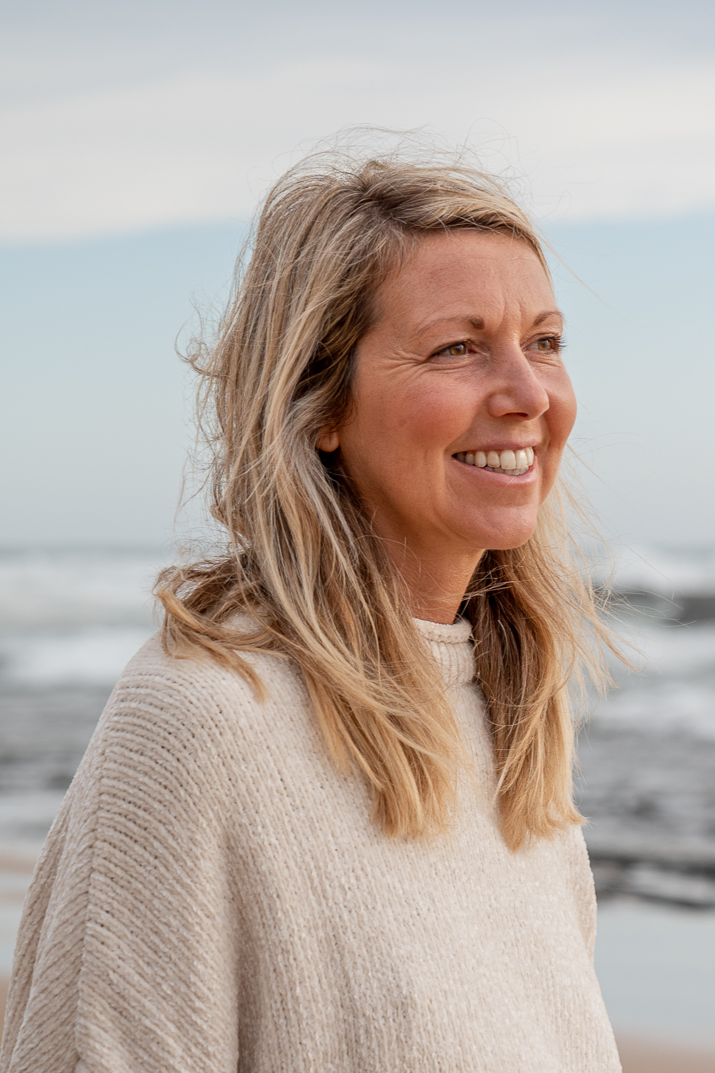
If you're living with symptoms that get worse when you're stressed or anxious, or you feel like you're in a constant state of overwhelm, you're not imagining it. Your nervous system plays a huge part in how your body feels, digests, sleeps and heals.
I'm Keris Marsden, a BANT registered nutritional therapist with 18 years of clinical experience. I help people befriend their nervous system and build a personal toolkit that supports it, alongside the right food, nutrition and supplements.
This work is for you if:
your symptoms flare with stress, anxiety or busy periods
you feel on edge, overwhelmed or anxious most of the time
things changed for you in perimenopause or menopause
you're recovering from burnout
you're living with a chronic or long term condition and know your nervous system is part of the picture, but you're confused about where to start
food, exercise or other habits have become a way to feel better or feel safe, and the balance has tipped
you've tried breathwork, cold showers or meditation and still don't feel any different
Why Breathwork, Cold Showers and Meditation Aren't Always Enough
When I became unwell with chronic illness, I tried every nervous system tool I could get my hands on. At best they made a small difference to my symptoms. At worst they made me feel worse, because it felt like nothing was working.
I also became attached to a rigid, controlling routine that wasn't helping me at all. I see the same pattern in many of my clients.
The problem isn't the tools themselves. There's no one size fits all approach to regulating the nervous system. What calms one person can leave another feeling flat, wired or even more anxious.
That's why I steer clients away from rigid routines and towards a more fluid, flexible and personalised approach that still really works.
My Approach
Every nervous system responds in its own way. When some people are dysregulated, they go into mobilisation: racing thoughts, restlessness and a need to keep busy. Others go into a freeze state: heavy fatigue, shutting down, or a lot of fear. Many of us move between the two.
So rather than handing you a list of practices, we work on three things together:
Understanding your nervous system. You'll learn how it works and how it has been working hard to protect and support you.
Befriending it. We get to know your default patterns, your emotions and the habits you reach for when you don't feel safe, with curiosity rather than judgement.
Building your personal toolkit. We find practices that suit your body and support its natural, organic intelligence. They're flexible and fit into real life, rather than becoming another rigid routine to get right.
This doesn't need to involve deep trauma work. It's practical, gentle and tailored to you.
Because I'm a nutritionist, we also look at how food, blood sugar, nutrients and supplements are affecting how you feel. Many people use food, exercise or other feel good habits to calm a dysregulated system. Together we find a healthy middle ground again, so these things support you rather than becoming another way to cope.

Nervous System Support and MCAS
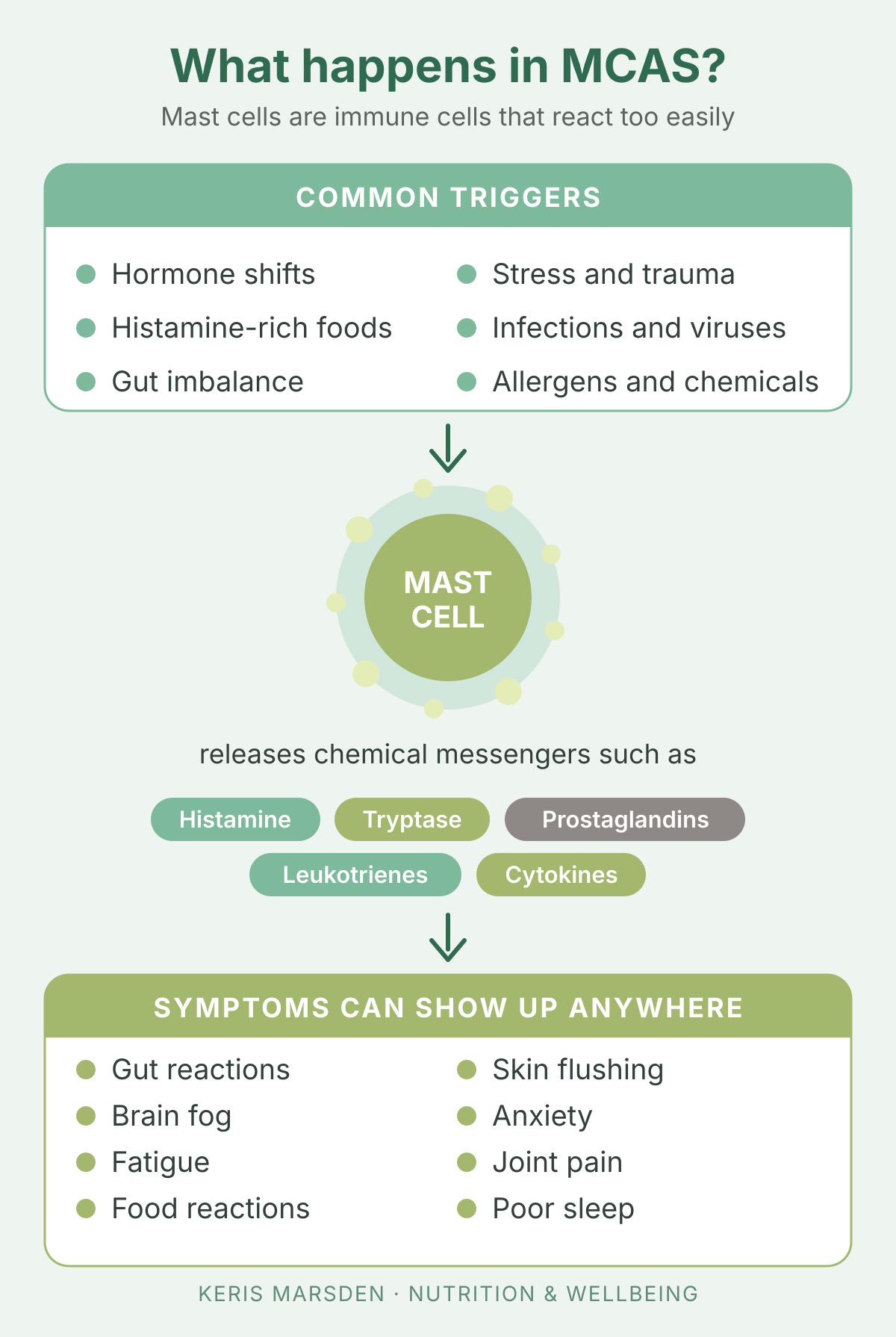
The nervous system and mast cells are closely connected. When your body is stuck on high alert, mast cells can become more reactive, which can mean more flares, more food reactions and more sensitivity to supplements.
That's why nervous system support is a core part of how I work with clients with mast cell activation syndrome (MCAS). Helping your body feel safer can make it easier to calm symptoms, broaden your diet and tolerate the support you need.
If you're living with MCAS or histamine issues, you can read more about my MCAS nutritionist support here.

The Thinking Behind My Work
My approach draws on Dr Daniel Siegel's interpersonal neurobiology, Dr Stephen Porges' polyvagal theory, Deb Dana's work on anchoring and safety, and Tara Brach's somatic practices and meditation. It's also shaped by my own experience of chronic illness and recovery.
Please note
I'm trauma informed, but this isn't therapy. We don't do deep trauma processing. If that kind of support would help you, I'll talk you through the options and point you towards a suitable therapist.

What Clients Say
"For the first time, I felt someone was genuinely looking at the bigger picture and connecting the dots."
"The relaxation techniques she taught me have also measurably improved my sleep."
"Most importantly, Keris has helped me get my life back. I can now go out for meals, spend time with family and friends, work and enjoy everyday life without the constant fear that previously dominated everything."
Richard M, Google review